
Travelling to Turkey for a Stem Cell Transplant and How to Plan Your Stay
Travelling to Turkey for stem cell treatment? How to send records, how long to stay, bringing a caregiver or donor, and follow-up after you return home.
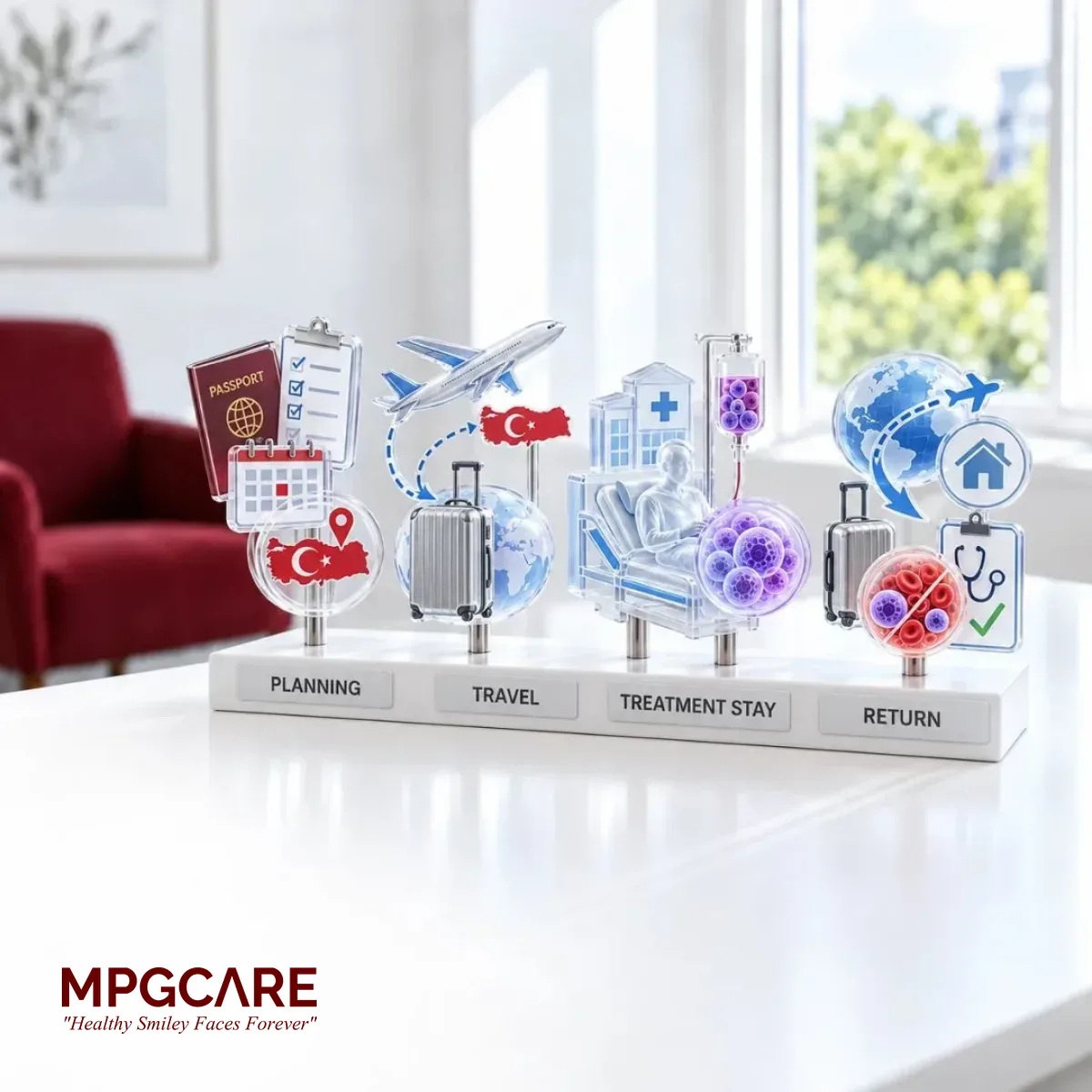
Deciding to have a stem cell transplant abroad raises questions that go far beyond medicine. Where will we stay? Who comes with me? What happens when I go home?
These are the questions our patient coordinators spend most of their time on. For many families, the medical plan feels clearer than the practical one. This guide covers the practical side of stem cell treatment in Turkey, step by step, so you can plan your stay with fewer surprises.
If you are still learning about the treatment itself, start with our main guide, Stem Cell Therapy Explained and How the Treatment Is Applied Step by Step.
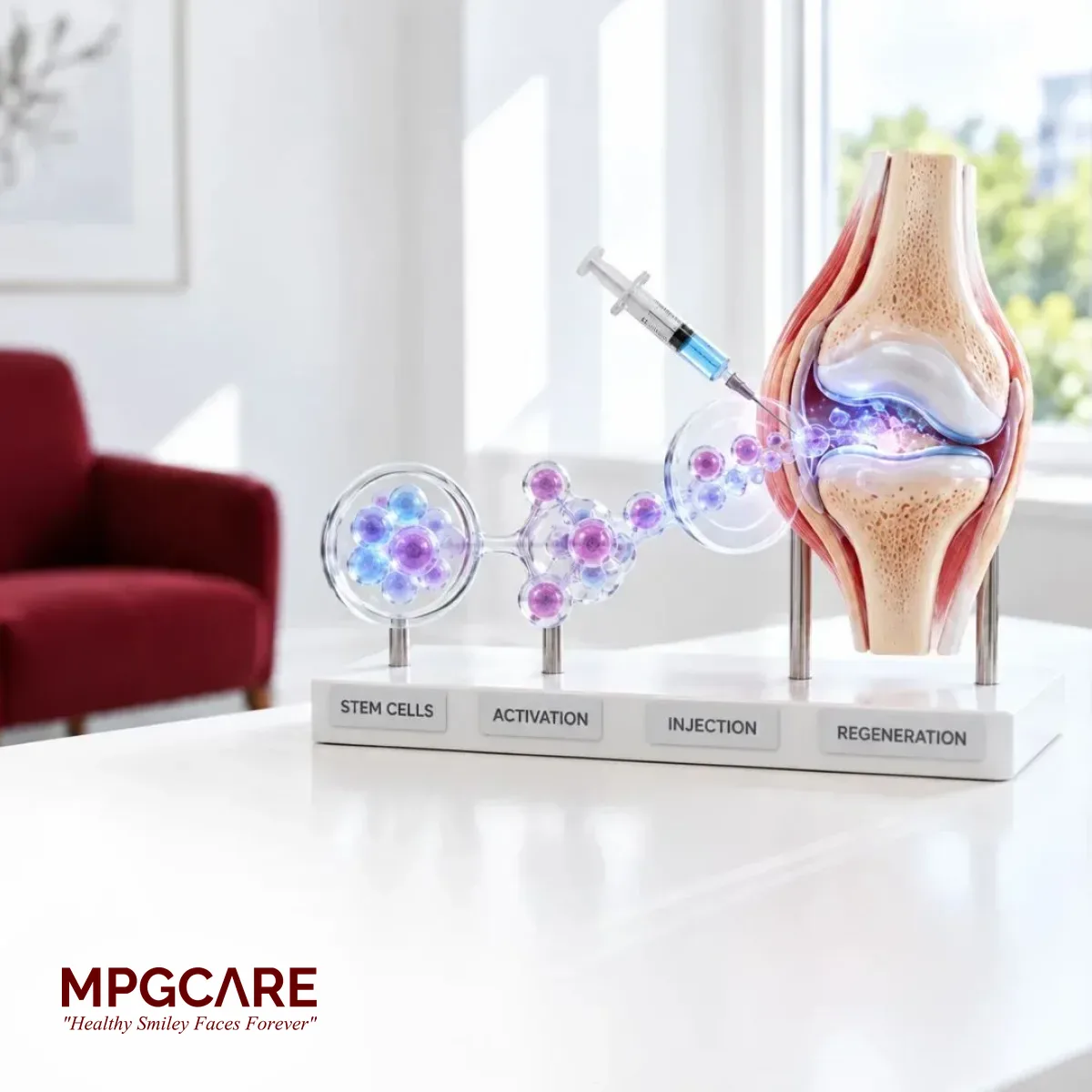
A quick note before we begin. Some people search for stem cell therapy in Turkey hoping to treat joint pain, autism or ageing. This article is about stem cell transplants for blood cancers and serious blood disorders, where the treatment is established. Our main guide explains why the other uses are still being researched.
Sending Your Medical Records For a First Evaluation
Every plan starts with your medical reports. A hematologist cannot judge whether a transplant suits you, or which type, without them.
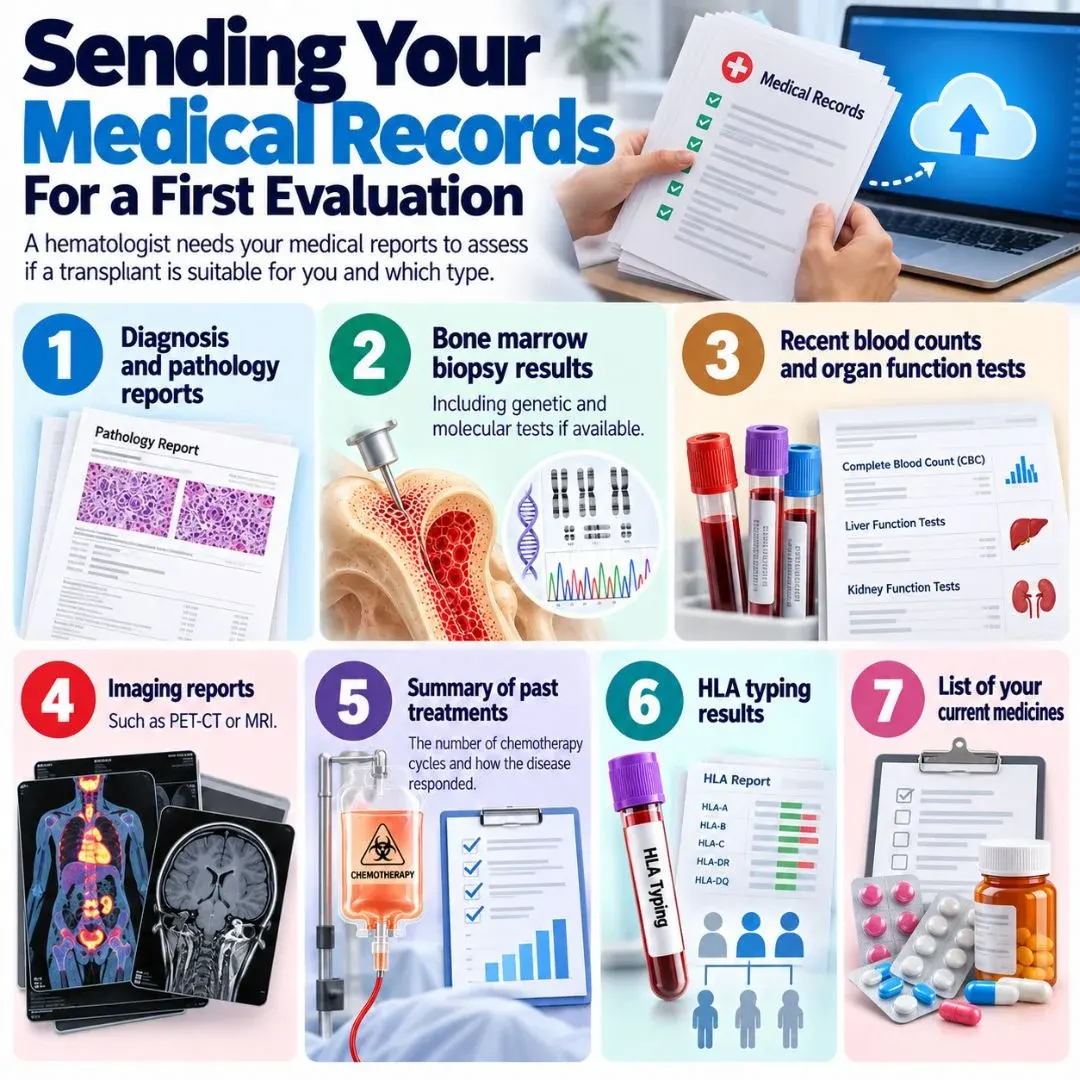
The most useful documents usually include:
- Your diagnosis and pathology reports
- Bone marrow biopsy results, including genetic and molecular tests if available
- Recent blood counts and organ function tests
- Imaging such as PET-CT or MRI reports
- A summary of past treatments, the number of chemotherapy cycles and how the disease responded
- HLA typing results, if you or your family have already been tested
- A list of your current medicines
Reports in English are easiest to review. If yours are in another language, our team can help arrange translation.
Based on these documents, the specialist gives an initial opinion, including whether a transplant is suitable, which type is recommended and roughly how long you would need to stay. Many patients find this first answer calms a lot of uncertainty.
If you would like to know whether this treatment is suitable for you, you can share your medical reports with our patient coordinators, and they will arrange an evaluation with a specialist at one of our partner hospitals.
How Long You May Need to Stay For Each Transplant Type
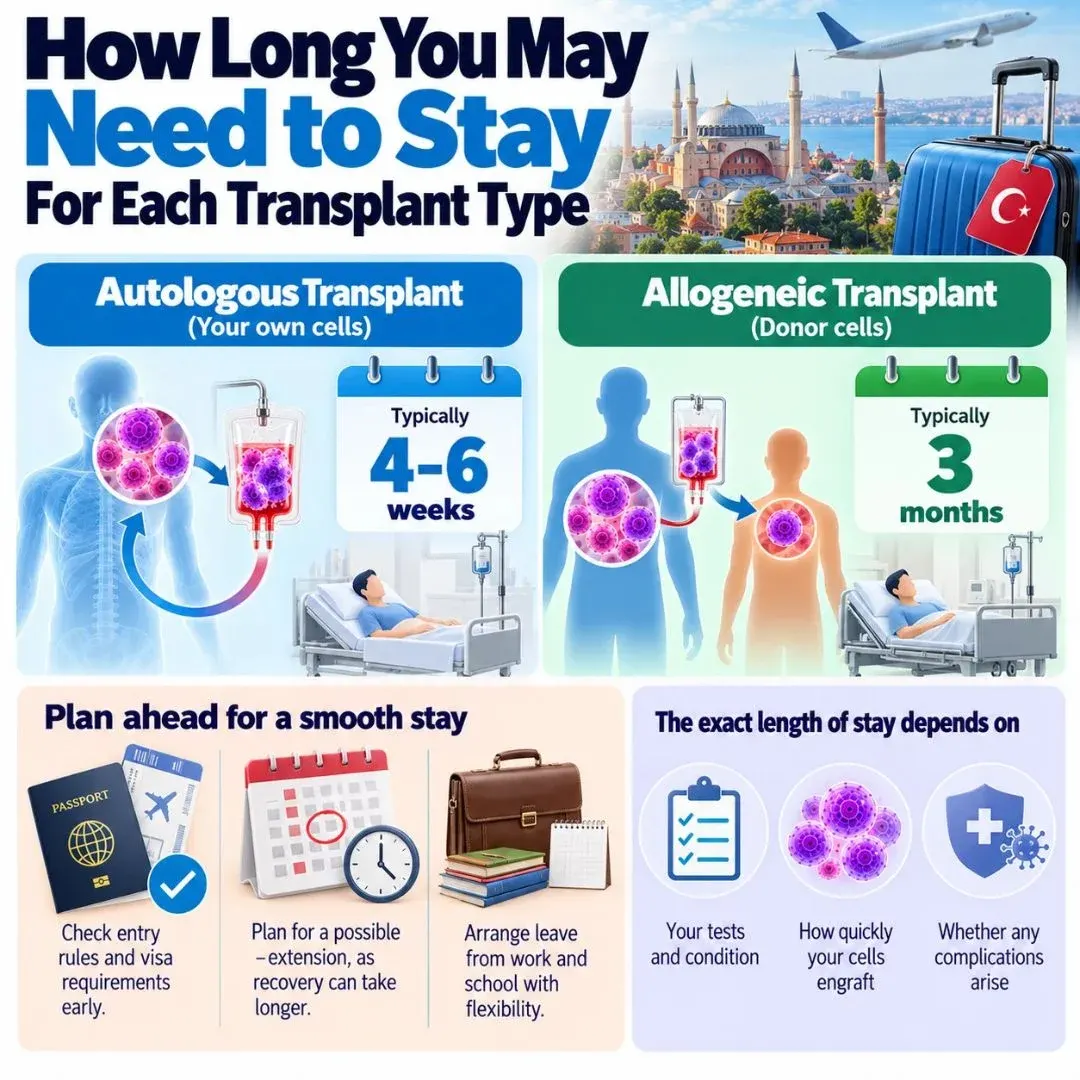
The length of stay depends mainly on whether you have an autologous transplant (your own cells) or an allogeneic transplant (donor cells). Our article on autologous and allogeneic stem cell transplants explains the difference in detail.
| Transplant type | Typical total stay in Turkey |
|---|---|
| Autologous | Often around 4–6 weeks |
| Allogeneic | Often around 3 months |
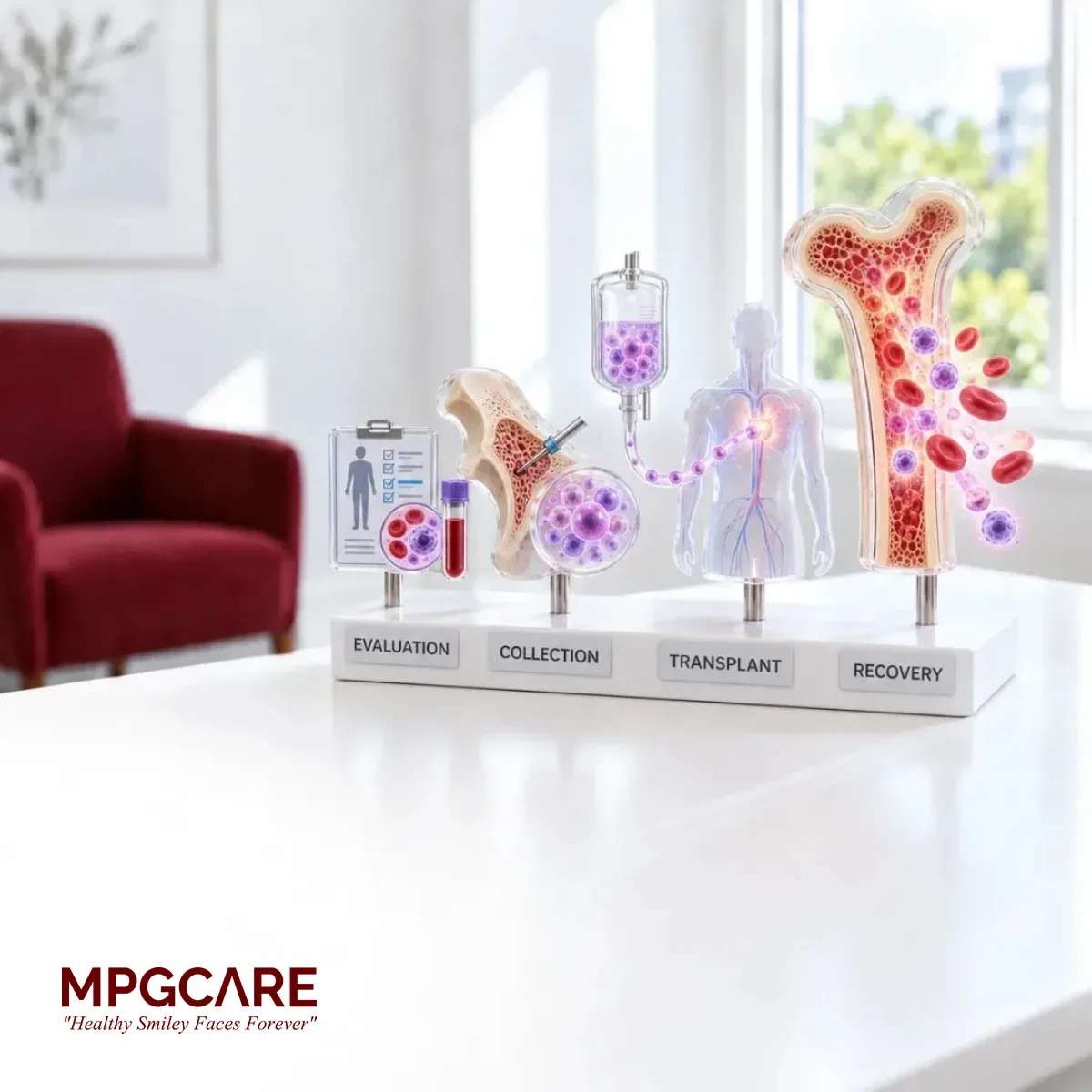
These are general estimates. The exact stay depends on your tests, how quickly your cells engraft and whether any complications arise. Our article on how a bone marrow transplant is performed in Turkey walks through each stage of that time.
For practical planning, it helps to:
- Check the entry rules for your nationality early, including visa requirements. Turkey's official e-Visa website lists the options for each country.
- Plan for a possible extension, since recovery does not always follow the calendar.
- Arrange leave from work and school with some flexibility.
Bringing a caregiver and why it matters
Most transplant centres expect patients to have a caregiver, especially after an allogeneic transplant. This is a medical requirement, not just a comfort.
A caregiver usually:
- Stays with the patient after discharge, often around the clock in the early weeks
- Helps with medicines, meals and hygiene rules
- Watches for warning signs such as fever and contacts the team quickly
- Attends appointments and helps keep track of instructions
Caregiving for weeks or months is tiring. Some families share the role between two people who take turns.
Let our coordinators know early who will be your caregiver, so their travel and accommodation can be planned together with yours.
If a family member will be your donor
If a brother, sister, parent or child is your donor, their trip needs planning too.
Before the transplant, the donor usually has:
- Confirmatory HLA tests
- A health check to make sure donation is safe for them
- Several days of growth factor injections, followed by stem cell collection by apheresis
The donor's stay is usually much shorter than the patient's, often one to two weeks. Most donors feel tired or have bone aches for a few days, then return to normal activities.
If no family member matches, a search can be made through donor registries. In Turkey, this is coordinated by the national stem cell registry, TÜRKÖK.
Accommodation near the hospital and daily life during treatment
During a stem cell transplant in Turkey, you spend part of the time in hospital and part of it in nearby accommodation.
When choosing where to stay, the most important points are:
- Distance. A short trip to the hospital matters, because daily or frequent visits are common.
- Cleanliness. A clean, well-ventilated space reduces infection risk.
- A kitchen. Food safety rules after a transplant are strict, and preparing simple, well-cooked meals yourself is often easier.
- Quiet. Rest is part of recovery.
Daily life after discharge usually follows a rhythm of check-ups, rest and short walks. Crowded places, gardening, swimming pools and raw foods are generally avoided until the team says otherwise.
Language support and patient coordination
Understanding your treatment matters as much as receiving it. Misunderstood instructions about medicines or warning signs can cause real problems.
Good language support means:
- Interpreters during consultations and key appointments
- Written instructions you can read and keep
- A clear contact person when you have a question at night or at the weekend
Our coordinators work in several languages and stay in contact with you and your caregiver throughout the stay.
Follow-up after you return home
The CDC advises people travelling abroad for medical care to bring copies of their medical records, including test results, and to arrange follow-up care before they travel. This advice applies strongly to transplants.
Before you leave Turkey, make sure you have:
- A full discharge summary in English
- A list of your medicines, doses and how long to take them
- A follow-up schedule for blood tests
- Contact details of your transplant team
At home, a local hematologist usually continues your care. Many patients also need to repeat childhood vaccinations months after the transplant, because the new immune system has to learn them again.
Ideally, your local doctor is informed before you travel, so the handover is smooth.
How MPG Care Helps You Plan The Process
MPG Care is a health tourism company that works with partner hospitals and specialists in Turkey. We do not perform the treatment ourselves. Our role is to bring the medical and practical sides together.
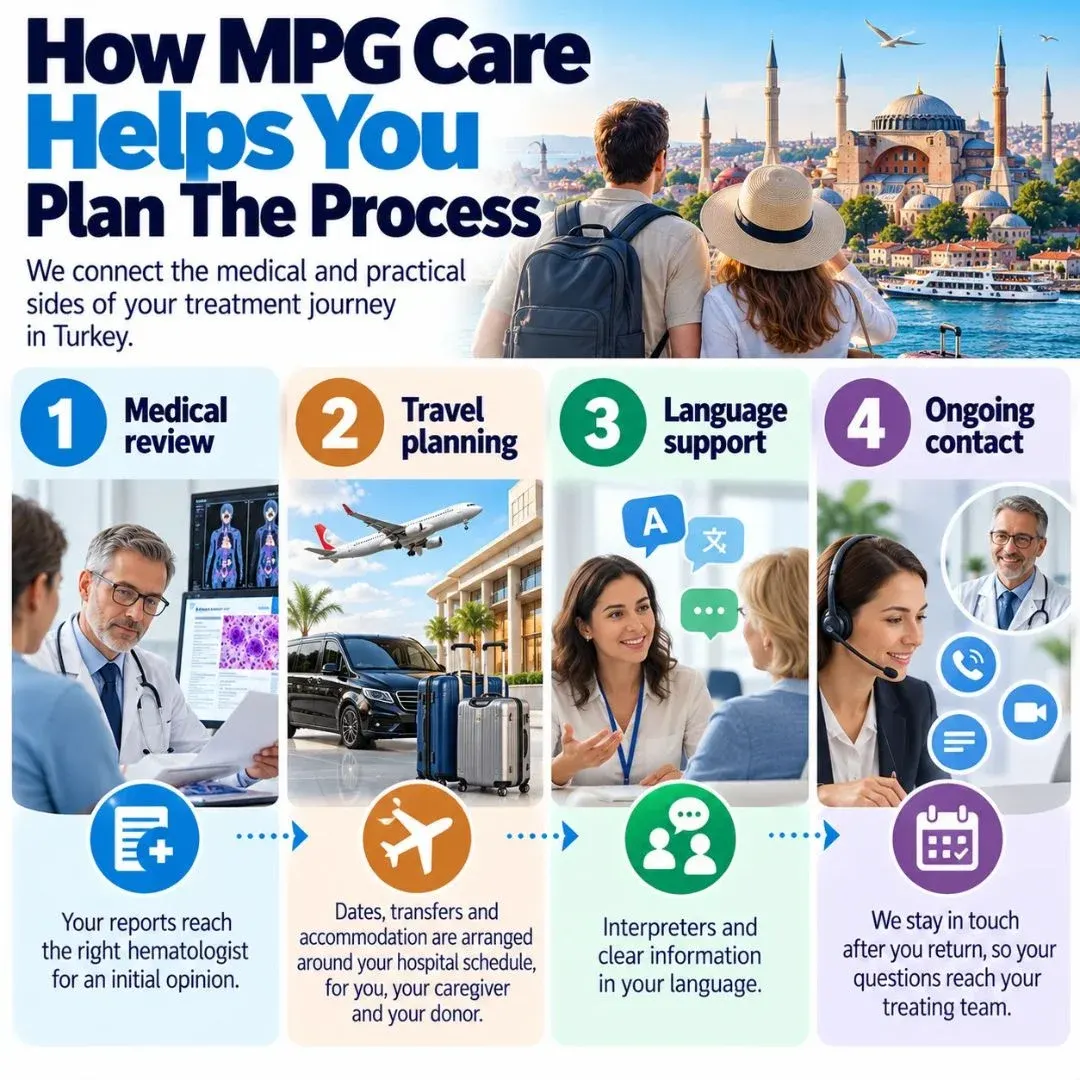
In practice, we help with:
- Medical review. Your reports reach the right hematologist for an initial opinion.
- Travel planning. Dates, transfers and accommodation are arranged around your hospital schedule, for you, your caregiver and your donor.
- Language support. Interpreters and clear information in your language.
- Ongoing contact. We stay in touch after you return, so your questions reach your treating team.
With offices in Rize, Batumi, Tashkent and Columbus, Ohio, patients from different countries can speak with a coordinator who understands their situation.
Frequently Asked Questions
Do I need a visa to travel to Turkey for treatment?
It depends on your nationality. Many countries can apply online through Turkey's official e-Visa system, while others need a visa from a consulate. Check the current rules well before your planned date.
Can I travel alone for a stem cell transplant?
Usually not. Most centres require a caregiver, especially after an allogeneic transplant, because patients need support with medicines, meals and warning signs.
How early should I send my medical records?
As soon as a transplant is being considered. An early evaluation gives you time to plan travel, donor testing and leave from work.
Can my donor travel at a different time from me?
Yes. Donors usually arrive later and stay for a shorter period, timed around the collection date set by the transplant team.
What happens if I have a complication after returning home?
Contact your local hematologist or emergency service first, then your transplant team. Having your discharge summary and contact details ready makes this much easier.
How much does stem cell treatment in Turkey cost?
The cost varies depending on the condition, the type of treatment and the length of stay. For personalised information, you can contact our patient coordinator.
Planning a stem cell transplant abroad is a big step, and it becomes much more manageable when the medical and practical sides are prepared together. If you would like to know whether this treatment is suitable for you, you can share your medical reports with our patient coordinators, and they will arrange an evaluation with a specialist at one of our partner hospitals. You can reach us by phone or WhatsApp at +90 850 259 5553.
Medical disclaimer: This article is for general information only. It does not replace a medical examination, diagnosis or treatment plan by a qualified doctor.
References
- Centers for Disease Control and Prevention. Medical Tourism, Travel to Another Country for Medical Care.
- Centers for Disease Control and Prevention.
- National Cancer Institute. Stem Cell Transplants in Cancer Treatment.
- NHS. Stem cell and bone marrow transplants.
- Çukurova University. Adult Bone Marrow / Stem Cell Transplant Centre, information on TÜRKÖK.