
Stem Cell Therapy Explained and How the Treatment Is Applied Step by Step
What is stem cell therapy and how does it work? Learn proven uses, how a stem cell transplant and joint injection are done step by step, and the risks.
If you have been searching for stem cell therapy, you have probably found two very different pictures. Hospital pages describe a demanding treatment for blood cancers. Clinic adverts promise to repair knees, reverse ageing or treat autism with a single injection.
Both use the same words. They are not the same thing.
One of the most common questions our patient coordinators hear is whether stem cell treatment can help with a specific condition. The honest answer depends on the condition. This guide explains what is stem cell therapy, how does stem cell therapy work, where it is proven, where it is still being researched, and how each type of treatment is carried out step by step.
What Stem Cells Are and Why Doctors Use Them
What is stem cell therapy? Stem cell therapy is a treatment that uses stem cells, which are cells that can renew themselves and turn into other cell types, to replace or support damaged cells. Its best-proven form is the stem cell transplant (bone marrow transplant), used for blood cancers and serious blood disorders.
Most cells in your body have one fixed job. A skin cell stays a skin cell. Stem cells are different because they can divide and become more specialised cells when the body needs them.
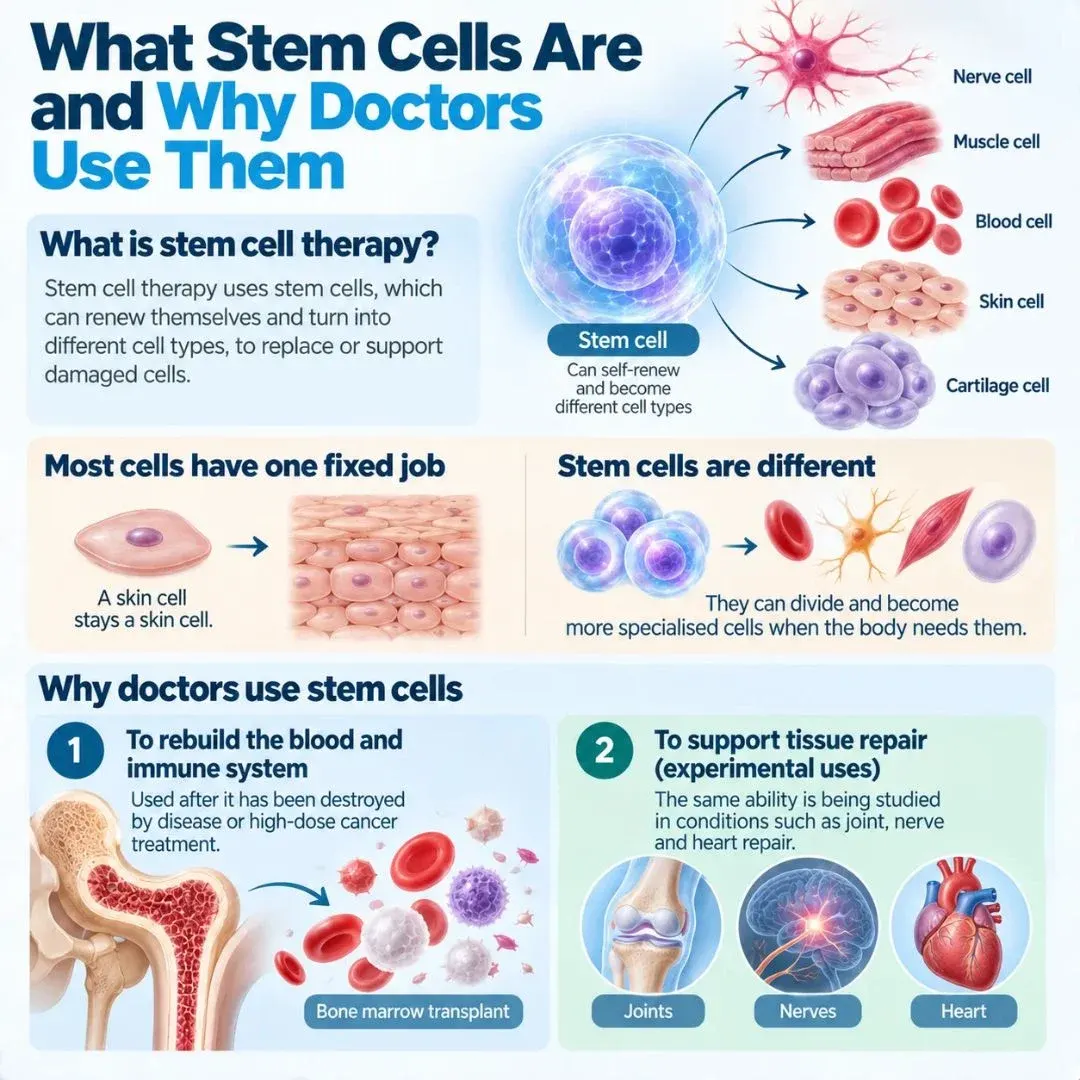
Doctors use this ability in two main ways:
- To rebuild the blood and immune system after it has been destroyed by disease or by high-dose cancer treatment.
- To support tissue repair, which is the idea behind most experimental uses in joints, nerves and the heart.
So how does stem cell therapy work in practice? In a transplant, healthy stem cells travel to the bone marrow and start producing new blood cells. In experimental uses, researchers think the cells mainly calm inflammation and send repair signals, rather than turning into new cartilage or nerve tissue. That second mechanism is still not fully understood.
Hematopoietic and Mesenchymal Stem Cells and How They Differ
When people talk about stem cell treatment, they usually mean one of two cell types. Knowing which one you are being offered tells you a lot about how much evidence stands behind it.
| Hematopoietic Stem Cells | Mesenchymal Stem Cells | |
|---|---|---|
| Found in | Bone marrow, blood, cord blood | Bone marrow, fat tissue, umbilical cord |
| Main role | Make all blood and immune cells | Support tissue, calm inflammation |
| Evidence | Standard treatment for decades | Mostly research, few approved uses |
Hematopoietic stem cells (blood-forming stem cells) are behind almost every proven stem cell therapy. Bone marrow transplants have been part of routine hematology care for decades.
Mesenchymal stem cells (often shortened to MSCs) are the cells most often used in joint and "regenerative" clinics. Their first approval by the US Food and Drug Administration came only recently, and for a very specific transplant complication, not for joints or ageing.
Where The Cells Come From in Autologous and Allogeneic Treatment
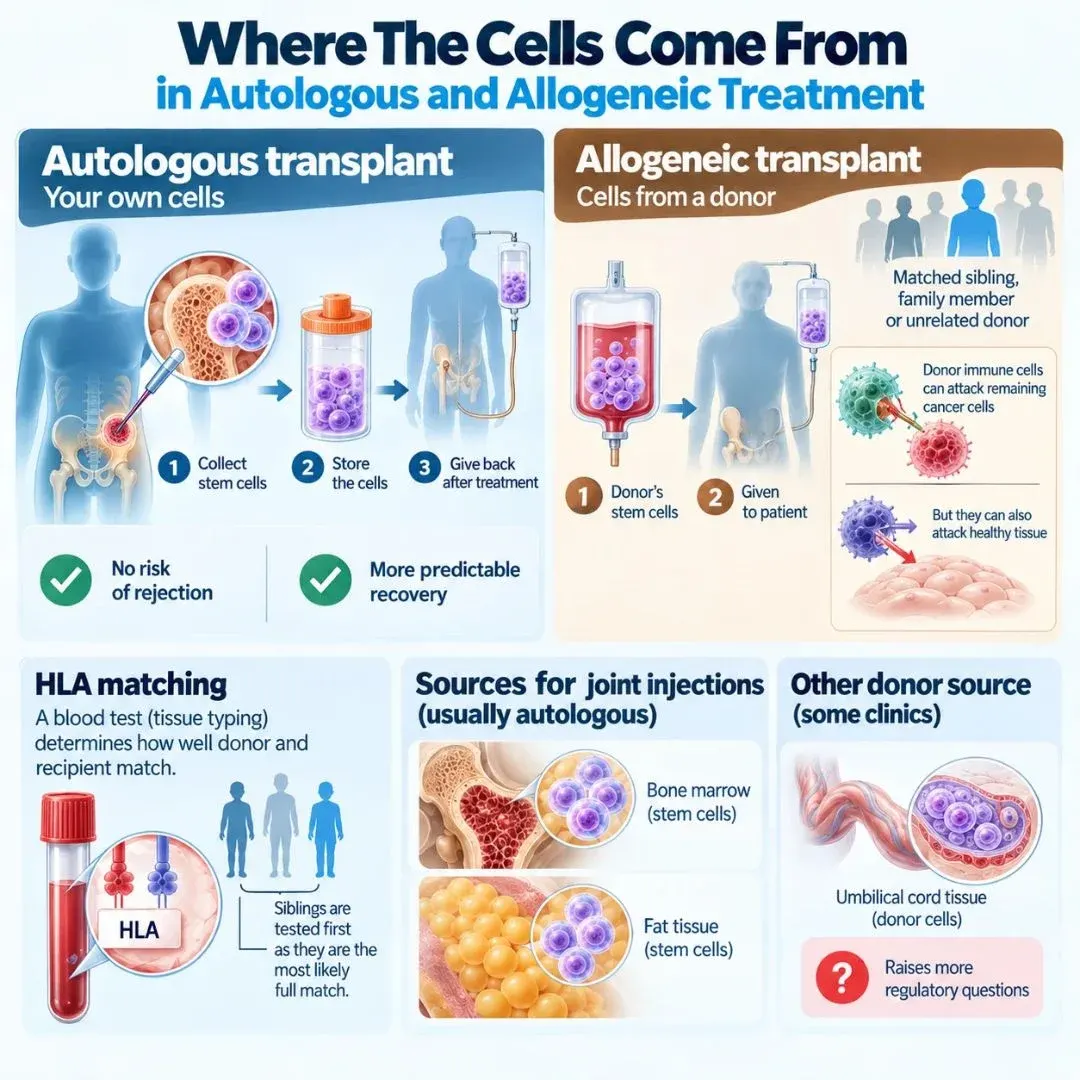
There are two sources of cells in a stem cell transplant, and the choice shapes the whole treatment plan.
- Autologous transplant: Your own stem cells are collected, stored and given back after high-dose treatment. There is no risk of rejection, which makes recovery more predictable.
- Allogeneic transplant: Cells come from a donor, usually a matched sibling, a family member or an unrelated volunteer. The donor's immune cells can also attack remaining cancer cells, but they can attack the patient's healthy tissue too.
Matching is done through a blood test called HLA typing (tissue typing). Siblings are tested first because they are the most likely full match.
For joint injections, cells are usually taken from the patient's own bone marrow or fat. Some clinics use donor cells from umbilical cord tissue, which raises more regulatory questions.
If a family member may be a donor, our coordinators can arrange for their tissue typing to be assessed together with your reports.
Conditions Stem Cell Therapy is Proven to Treat
The strongest evidence for stem cell therapy is in blood, bone marrow and immune system diseases. In these conditions, a transplant is an established part of treatment guidelines.
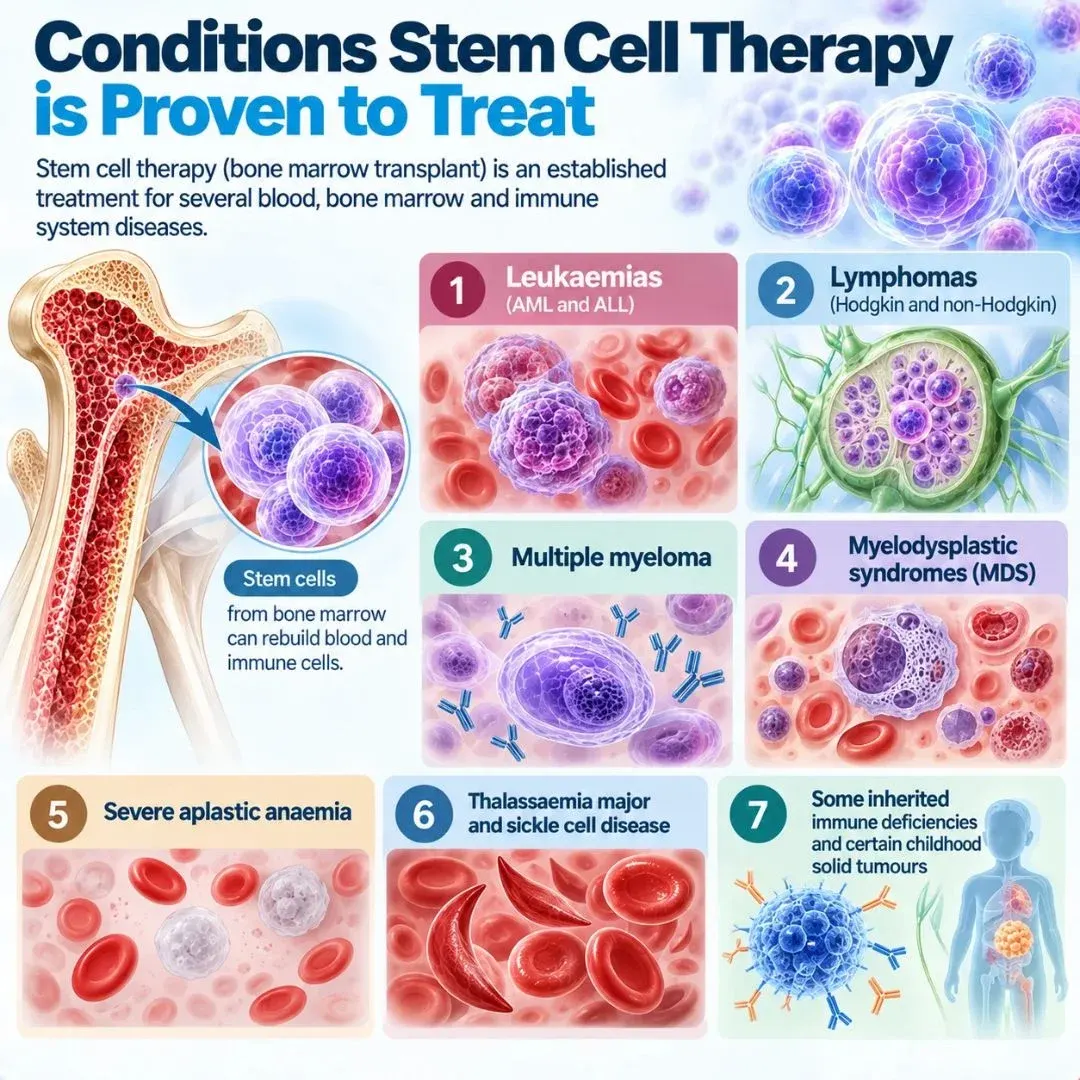
- Leukaemias, including acute myeloid and acute lymphoblastic leukaemia
- Lymphomas, both Hodgkin and non-Hodgkin, especially after relapse
- Multiple myeloma, where an autologous transplant is a common step
- Myelodysplastic syndromes (bone marrow failure that can turn into leukaemia)
- Severe aplastic anaemia
- Thalassaemia major and sickle cell disease in selected patients
- Some inherited immune deficiencies and certain childhood solid tumours, such as neuroblastoma
Mesenchymal cells now have one approved role in the US. In December 2024 the FDA approved the first mesenchymal stromal cell therapy, a donor bone marrow-derived product for children aged 2 months and older with steroid-refractory acute graft-versus-host disease.
The approval was based on a study of 54 children, in which 70% responded to treatment by day 28. These are study results reported by the FDA and the trial, not outcomes of any single hospital.
Whether a transplant is right for you depends on your diagnosis, disease stage, age and overall health. Our hematology and internal medicine page explains how these conditions are assessed.
If you would like to know whether this treatment is suitable for you, you can share your medical reports with our patient coordinators, and they will arrange an evaluation with a specialist at one of our partner hospitals.
Uses that are still being researched
This is where most of the confusion around stem cell therapy comes from. Many conditions are being studied, but being studied is not the same as being proven.
Areas under active research include:
- Knee and hip osteoarthritis
- Multiple sclerosis (where some centres use transplants in carefully selected, aggressive cases)
- Parkinson's disease and spinal cord injury
- Heart failure and recovery after heart attack
- Type 1 diabetes
- Autism, ALS and age-related conditions
The FDA states that regenerative medicine therapies have not been approved to treat autism, macular degeneration, blindness, chronic pain or fatigue, any neurological disorder such as multiple sclerosis, ALS, Alzheimer's, Parkinson's or stroke, or any heart or lung disease.
Knee arthritis is a good example of how mixed the evidence is. A 2025 randomised trial of 480 patients found that at one year, none of three cell-based injections worked better than a standard corticosteroid injection, and none changed the MRI arthritis score. A 2025 meta-analysis concluded, based on low-certainty evidence, that most of the improvement after these injections may come from placebo effects, with the cells adding only a modest benefit.
None of this means research is pointless. It means a stem cell treatment for these conditions is best received within a registered clinical study, not bought as a finished product.
How a Stem Cell Transplant is Carried Out From First Consultation to Recovery
A stem cell transplant is a hospital treatment that takes weeks, not a single procedure. Many patients we speak with are surprised by this. Knowing the stages in advance makes planning a stay abroad much easier.
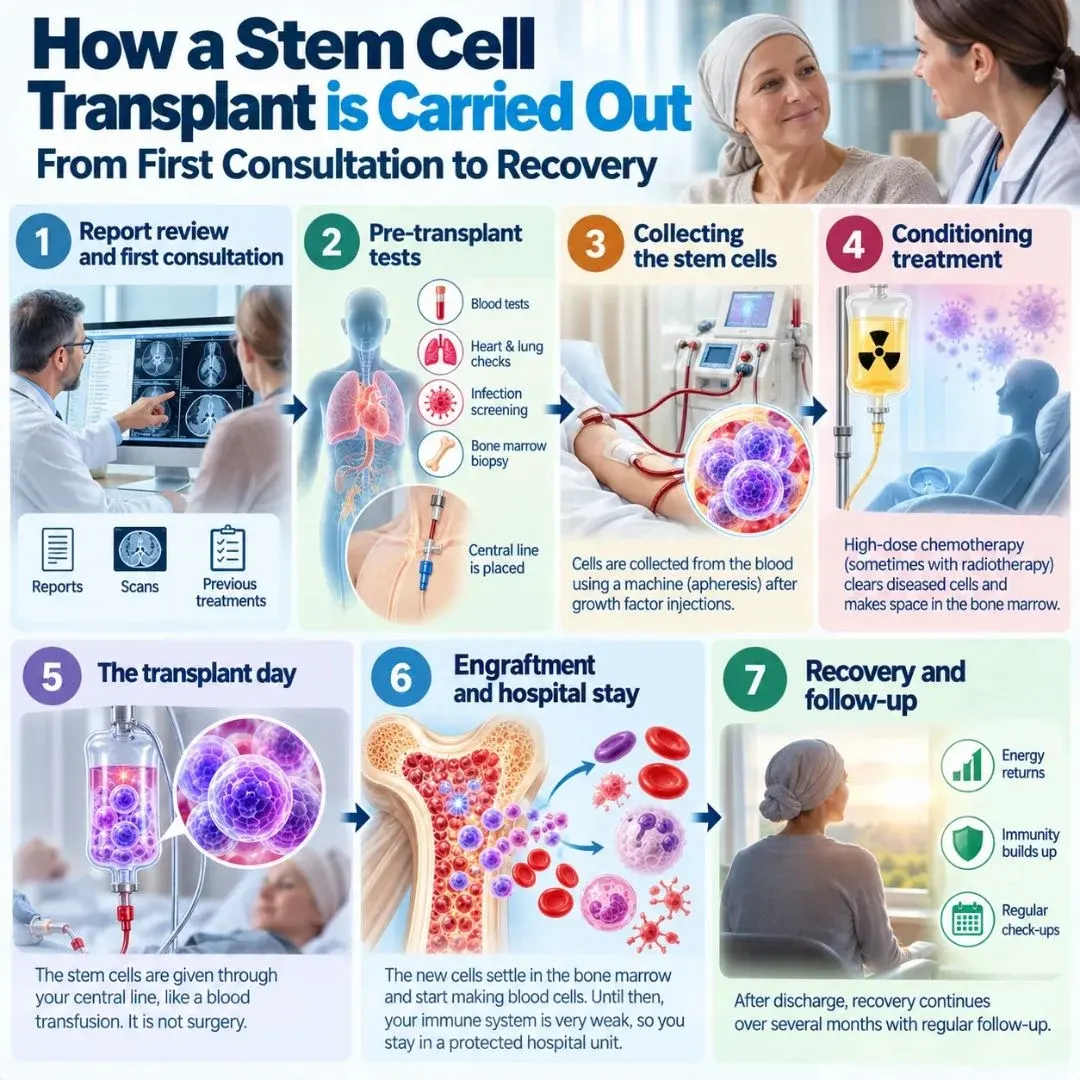
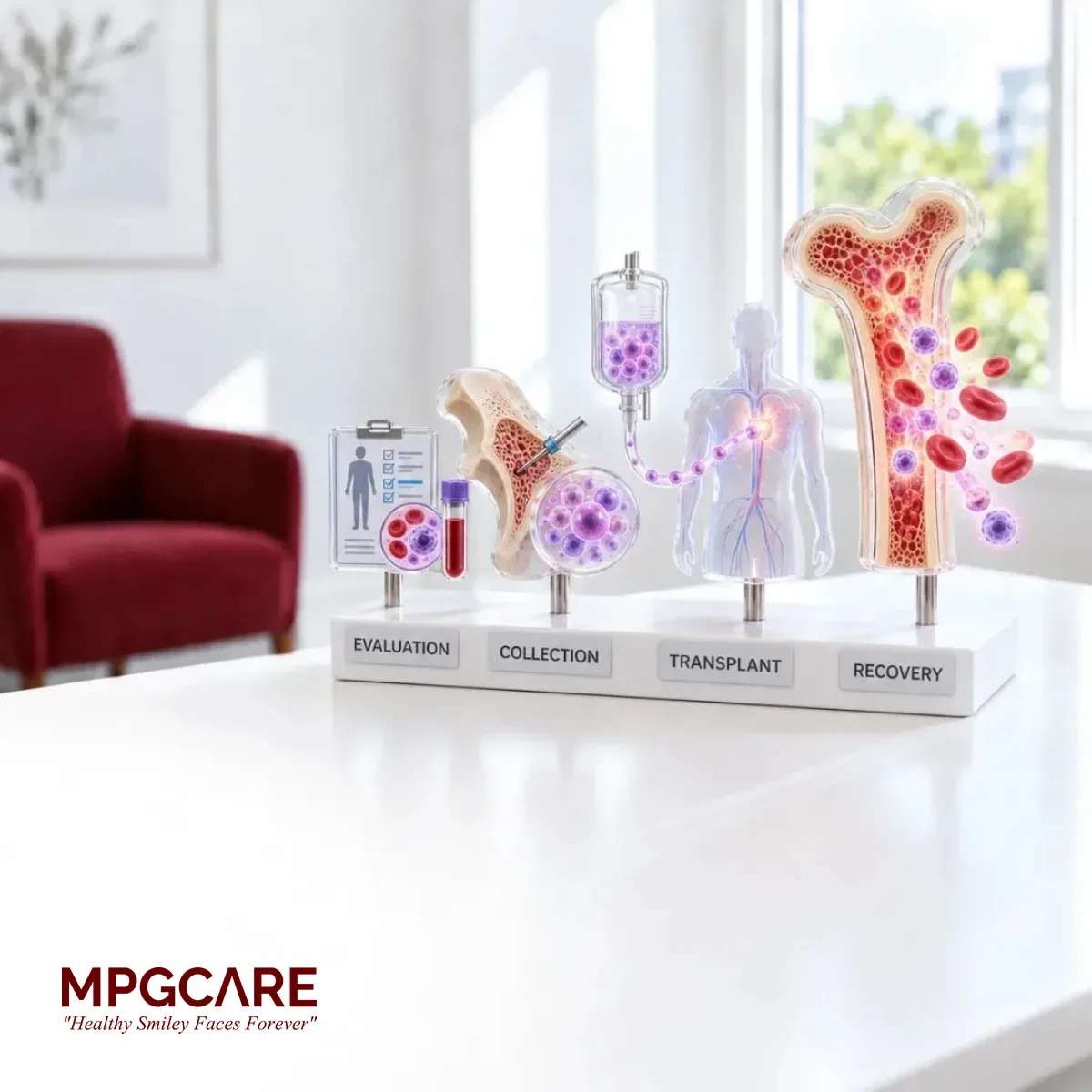
Step 1, report review and first consultation
A hematologist reviews your diagnosis, pathology reports, scans and previous treatments. This decides whether a transplant is suitable and which type, autologous or allogeneic.
Step 2, pre-transplant tests
You will have blood tests, heart and lung function tests, infection screening and often a bone marrow biopsy. A central line (a thin tube in a large vein in the chest) is usually placed to make infusions and blood draws easier.
Step 3, collecting the stem cells
For most transplants, cells are collected from the blood. You receive growth factor injections for a few days, which push stem cells from the bone marrow into the bloodstream.
A machine then filters the stem cells out of your blood in a process called apheresis. It feels similar to a long blood donation and usually takes a few hours. Less often, cells are taken directly from the hip bone under anaesthesia.
Step 4, conditioning treatment
Before the transplant, you receive high-dose chemotherapy, sometimes with radiotherapy. This clears diseased cells and makes space in the bone marrow. It is the hardest part of the treatment for most patients.
Step 5, the transplant day
The stem cells are given through your central line, much like a blood transfusion. It is not surgery. Many patients are surprised at how quiet this day feels.
Step 6, engraftment and hospital stay
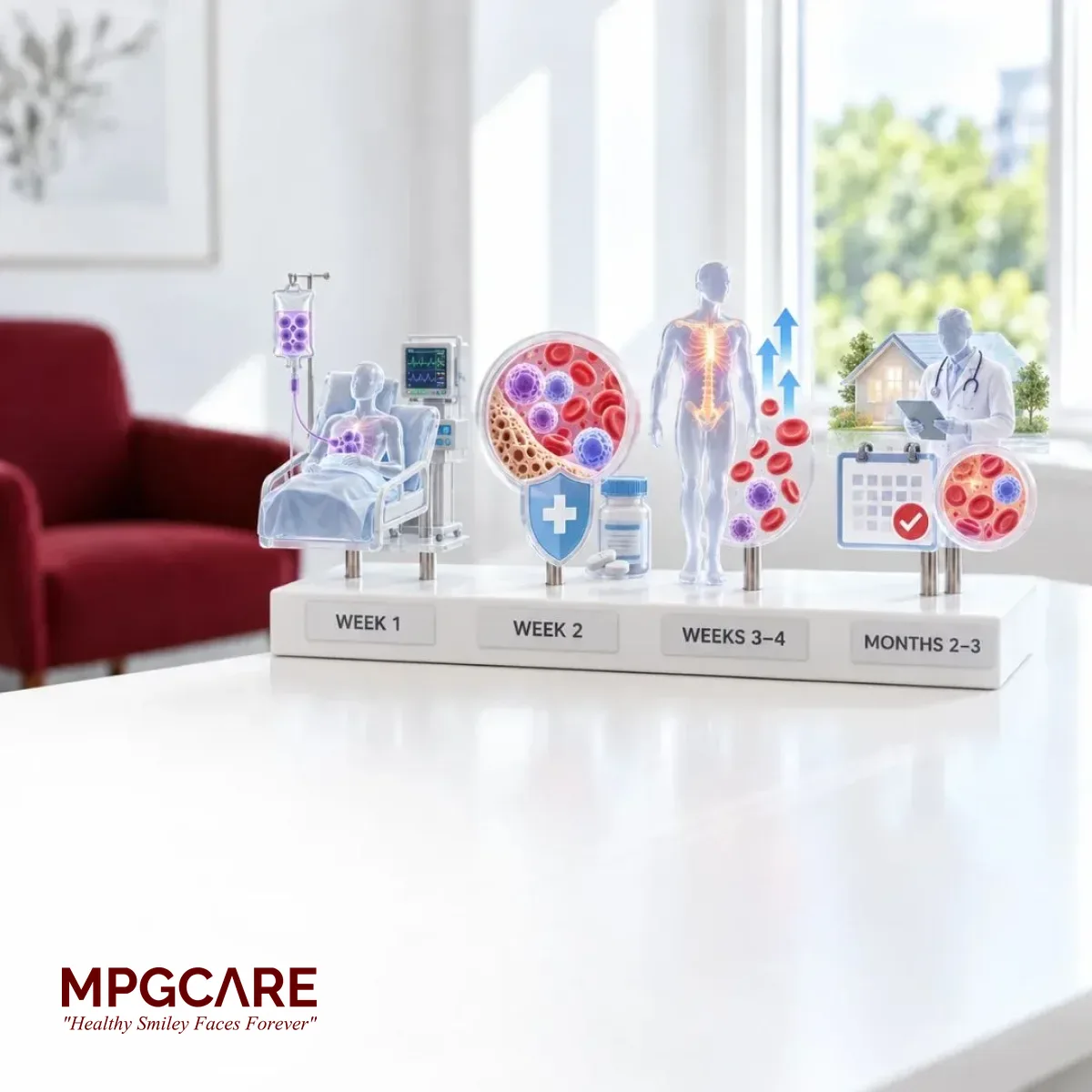
Over the following weeks, the new cells settle in the bone marrow and start making blood cells. This is called engraftment. Until then, your immune system is very weak, so you stay in a protected hospital unit.
Step 7, recovery and follow-up
After discharge, regular check-ups continue. Energy and immunity come back gradually, often over several months.
| Stage | What to expect |
|---|---|
| Weeks 1–2 before | Tests, cell collection |
| Transplant week | Conditioning, cell infusion |
| Weeks 2–4 after | Engraftment, hospital stay |
| Months 1–3 | Close follow-up near the hospital |
| Months 3–12 | Gradual return to daily life |
For international patients, an autologous transplant usually means a stay of several weeks. An allogeneic transplant often requires staying close to the hospital for around three months. Your treating team will confirm the exact timeline.
Our coordinators can help you plan this stay realistically once a specialist at one of our partner hospitals has reviewed your case.
How a Stem Cell Injection For Joints is Carried Out
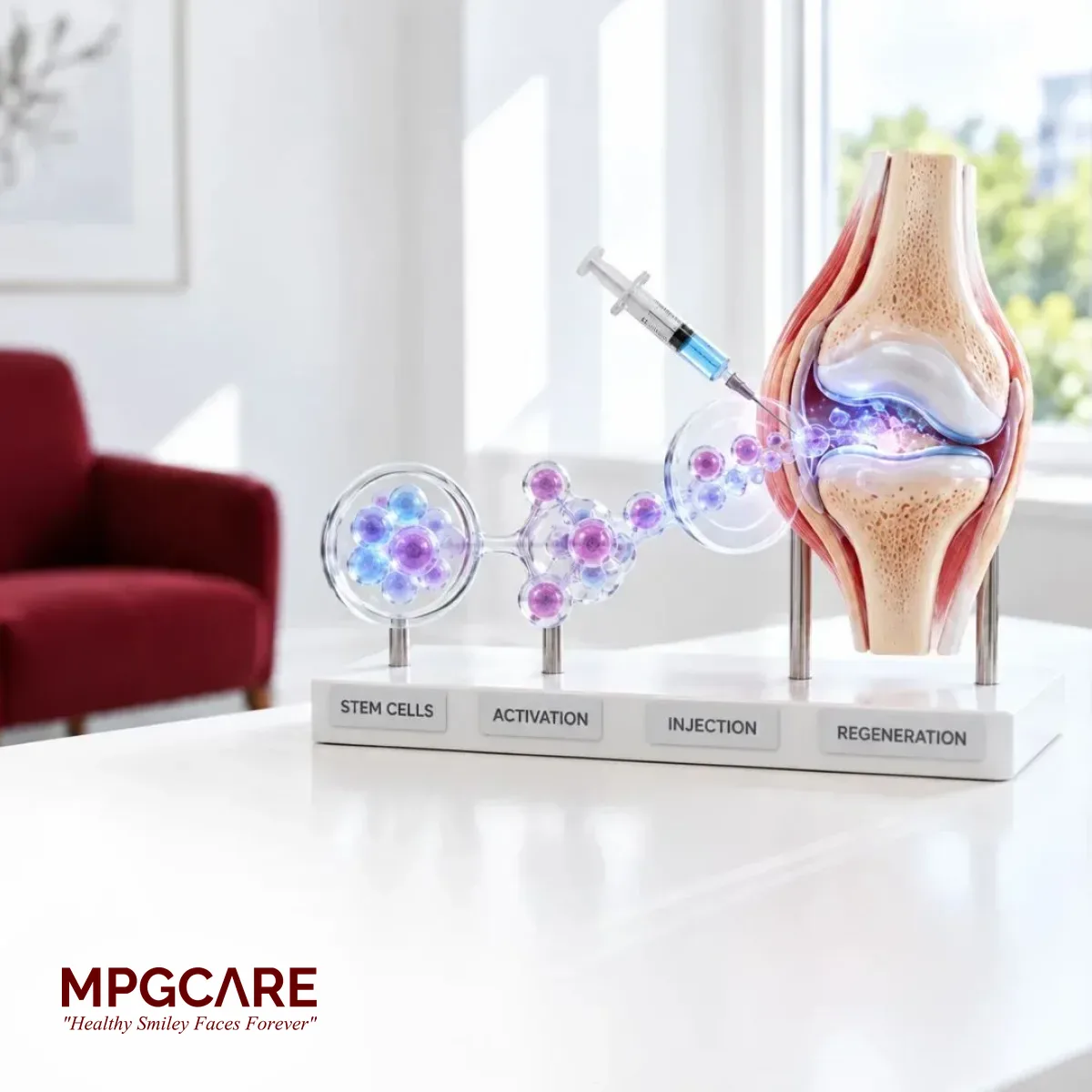
A joint injection is a much smaller procedure than a transplant. It is usually done in one day under local anaesthesia. Remember that for joints, this remains an evolving area of stem cell therapy rather than an established cure-all, and it should only be done where national regulations are followed.
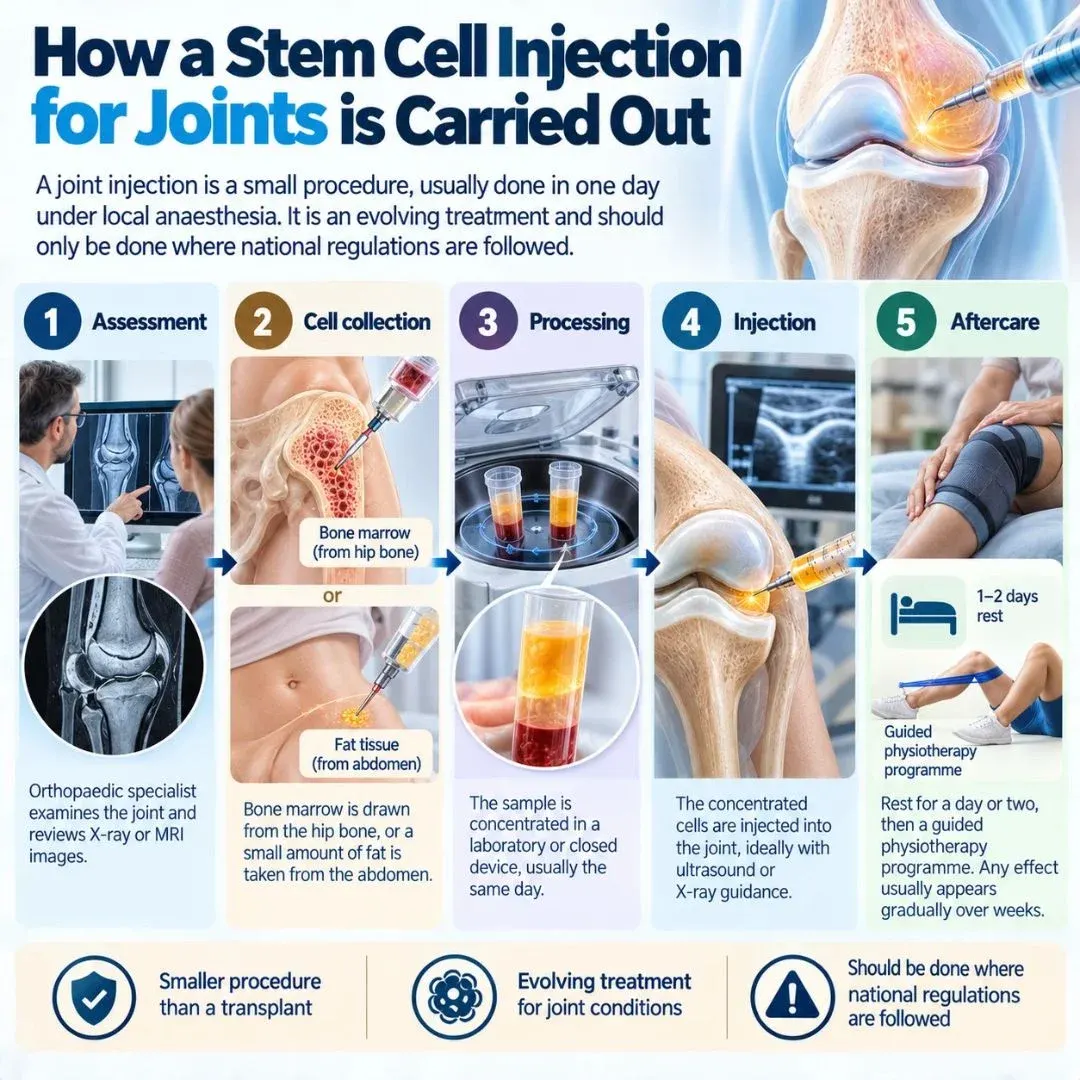
- Assessment. An orthopaedic specialist examines the joint and reviews X-ray or MRI images. Severe, bone-on-bone arthritis is generally a poor candidate.
- Cell collection. Bone marrow is drawn from the back of the hip bone with a needle, or a small amount of fat is taken from the abdomen.
- Processing. The sample is concentrated in a laboratory or a closed device, usually the same day.
- Injection. The concentrate is injected into the joint, ideally with ultrasound or X-ray guidance.
- Aftercare. Rest for a day or two, then a guided physiotherapy programme. Any effect usually appears gradually over weeks.
For example, someone with a desk job can often return to work within a few days. Running or heavy lifting is usually paused for several weeks.
If you are considering a joint injection, our coordinators can first arrange a specialist opinion on whether it suits your stage of arthritis or whether another option makes more sense.
Risks and Side Effects You Should Know About
Every stem cell treatment carries risks. Knowing them in advance helps you ask the right questions.
Risks of a stem cell transplant
- Infections, because the immune system is very weak for several weeks
- Mouth sores, nausea, hair loss and fatigue from the conditioning treatment
- Bleeding and anaemia until new blood cells are produced
- Graft-versus-host disease (GVHD) after a donor transplant, when donor immune cells attack the patient's skin, gut or liver
- Graft failure, when the new cells do not take
- Long-term effects, such as reduced fertility, thyroid problems or, rarely, a later second cancer
Risks of joint and unregulated injections
- Pain, swelling and stiffness at the injection or collection site
- Infection inside the joint
- No meaningful improvement despite the cost and time
The bigger risks come from unregulated products. The FDA has reported blindness, tumour formation and infections linked to unapproved stem cell products.
Warning signs to watch for:
- One treatment offered for many unrelated diseases
- Promises of guaranteed results
- Mostly testimonials instead of published studies
- No clear information on where the cells come from or how they are processed
- Pressure to decide quickly
If you notice any of these, take a step back. A responsible team will be happy to answer your questions in writing.
How MPG Care Guides International Patients
MPG Care is a health tourism company that works with a network of partner hospitals and specialists. We do not perform the treatment ourselves. Our role is to help you reach the right specialist and organise everything around the treatment.
In practice, this means:
- Report review. Your medical reports are shared with a relevant specialist for an initial opinion.
- Clear information. You receive the treatment plan, expected stay and next steps in a language you understand.
- Travel and stay planning. Transfers, accommodation and interpreter support are arranged around your hospital schedule.
- Support after you return home. We stay in contact so follow-up questions reach your treating team.
Our offices in Rize, Batumi, Tashkent and Columbus, Ohio, allow patients from different countries to speak with a coordinator who understands their situation.
Frequently Asked Questions
Is stem cell therapy painful?
The transplant infusion itself is not painful. The hardest parts are usually the side effects of the conditioning treatment, such as nausea and fatigue. Joint injections cause some soreness at the collection and injection sites for a few days.
How long do I need to stay in Türkiye for stem cell treatment?
It depends on the type of treatment. A joint injection may need only a few days. An autologous transplant usually means several weeks, and a donor transplant often requires staying near the hospital for around three months.
Can I use my own stem cells?
In many cases, yes. Autologous transplants are standard for conditions such as multiple myeloma and some lymphomas. Some leukaemias need donor cells instead, and your hematologist will explain which type fits your diagnosis.
Does stem cell therapy work for knee arthritis?
Recent research shows mixed results. Some patients report less pain, but high-quality trials have not shown clear advantages over standard injections. A specialist evaluation will help you understand whether it is a reasonable option for you.
Is stem cell therapy approved for neurological diseases like MS or Parkinson's?
Not as a routine treatment. Transplants are used for some aggressive forms of multiple sclerosis in specialist centres, but most neurological uses are still in clinical trials.
How much does stem cell therapy cost?
The cost varies depending on the condition, the type of treatment and the length of stay. For personalised information, you can contact our patient coordinator.
Stem cell therapy can be life-saving in the right situation and disappointing in the wrong one. What matters most is matching the treatment to a diagnosis where the evidence is clear. If you would like to know whether this treatment is suitable for you, you can share your medical reports with our patient coordinators, and they will arrange an evaluation with a specialist at one of our partner hospitals. You can reach us by phone or WhatsApp at +90 850 259 5553.
Medical disclaimer: This article is for general information only. It does not replace a medical examination, diagnosis or treatment plan by a qualified doctor. Treatment decisions should always be made together with your specialist.
References
- U.S. Food and Drug Administration. FDA Approves First Mesenchymal Stromal Cell Therapy to Treat Steroid-refractory Acute Graft-versus-host Disease. December 2024.
- U.S. Food and Drug Administration. Important Patient and Consumer Information About Regenerative Medicine Therapies.
- National Cancer Institute. Stem Cell Transplants in Cancer Treatment.
- NHS. Stem cell and bone marrow transplants.